A pool that looks perfectly clear can become a problem surprisingly quickly when the circulation stops. If you are experiencing pool pump tripping, the breaker is doing its job: it has detected an electrical fault, overload or unsafe condition and has cut the power. Resetting it once may be reasonable after a simple check. Resetting it repeatedly is not a repair and can put the pump, the electrical installation and pool users at risk.
For homeowners and property managers on the Costa del Sol, this often becomes urgent before a guest arrival, during a heatwave, or when a property has been closed for several weeks. The right response is to identify whether the issue is a straightforward equipment problem or one that needs a qualified pool technician and electrician.
What does it mean when a pool pump keeps tripping?
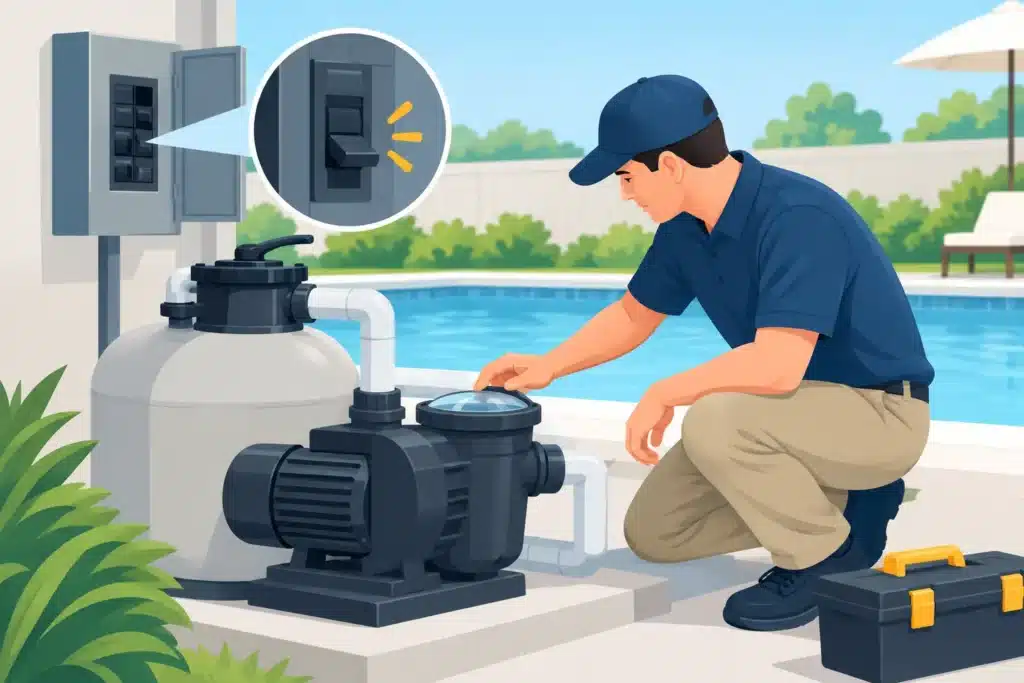
Most pool pumps are protected by a circuit breaker and an RCD, also called a residual-current device. A breaker generally trips when the circuit is drawing too much current. An RCD trips when it detects electricity leaking somewhere it should not, which is particularly important around water.
The distinction matters. A breaker that trips as the pump starts may point to a seized motor, failing capacitor, incorrect electrical supply or an overloaded circuit. An RCD that trips can indicate moisture in the motor, damaged wiring, a degraded seal or a fault in another item connected to the same circuit.
Do not assume the pump is always the cause. Pool lights, heat pumps, salt chlorinators, UV systems, automatic dosing equipment and outdoor sockets may share protection in the consumer unit. A technician should isolate equipment methodically rather than replace parts based on guesswork.
Safe checks before resetting the power
Before touching the pump or opening any equipment cover, switch the power off at the isolator or consumer unit. Keep hands dry and never work on electrical equipment while standing on wet paving or near pooled water.
You can carry out a few basic observations without dismantling anything. Check whether the pump basket is full of leaves or debris, whether the filter pressure is unusually high, and whether the pump has recently sounded louder than normal. Look for obvious water leaks around the pump body, pipework unions and mechanical seal area. Also note exactly when the trip occurs: immediately when power is restored, when the timer calls for filtration, or after the pump has run for several minutes.
If the pump has been exposed to heavy rain, a garden hose, flooding in the plant area or prolonged humidity, leave it switched off. Moisture inside an electrical motor or connection box needs proper diagnosis and drying, not repeated resets.
It is sensible to reset the breaker or RCD once after checking that the plant area is dry and clear. If it trips again, stop there. Do not hold a breaker in position, replace a fuse with a larger rating, or bypass safety equipment. Those measures can turn a manageable repair into a serious safety issue.
Common causes of pool pump tripping
A blocked system is making the pump work too hard
A blocked skimmer basket, pump basket, filter or suction line can restrict water flow. This does not always trip the electrical supply directly, but it can make an already tired motor run hotter and reveal an underlying fault.
Clean baskets regularly, particularly after wind, storms or nearby gardening work. If the filter pressure remains high after cleaning the baskets, the filter may need backwashing, cleaning or servicing depending on its type. Never run the pump dry while trying to diagnose poor circulation.
A failing motor capacitor or worn bearings
Many single-phase pool pumps use a capacitor to provide the extra electrical assistance needed to start the motor. When it begins to fail, you may hear a humming sound, the motor may struggle to start, or the breaker may trip at start-up.
Worn bearings can create a similar pattern. The pump may become noisy, vibrate more than usual and draw excessive current as the motor works harder to turn. These are repairable issues in some pumps, but age, corrosion and availability of parts determine whether repair or replacement represents better value.
Water has reached the motor or electrical connections
A mechanical seal separates the wet pump section from the motor. As it ages, small leaks can develop. Water may then damage the motor bearings or reach electrical components. A dripping pump should never be dismissed as a cosmetic problem, especially if the RCD has begun tripping.
Condensation can also affect pool equipment rooms with poor ventilation. On the coast, salt-laden air adds another challenge, accelerating corrosion at terminals and connectors. A proper inspection should include the pump terminal box, isolator, cable condition and any junction boxes serving the pool equipment.
An electrical cable or connection has deteriorated
Sun exposure, rodents, garden work and ageing insulation can all damage cables. Loose terminals create heat and can cause intermittent faults, which are especially frustrating because the pump may run normally on some days and trip on others.
This is not a DIY repair. A qualified professional can test insulation resistance, verify earth continuity and check whether the circuit protection is correctly selected for the equipment. These tests establish the cause rather than simply treating the symptom.
The pump is overheating
Pool pumps need adequate airflow around the motor. A cramped plant room, blocked vents or a pump covered with towels, boxes or garden equipment can trap heat. In summer, a pump room in direct sun can become extremely hot, particularly if it is enclosed.
Overheating may trip internal thermal protection or the electrical circuit after the pump has been running for a while. Improving ventilation can help, but it is still worth checking the pump’s current draw and condition. Heat may be the trigger rather than the root cause.
Another item on the pool circuit is faulty
If the pump appears to start and run correctly but the RCD trips when a heater, lights or chlorinator operate, the fault may lie elsewhere. This is common on older installations that have expanded over time, with new equipment added to an existing circuit.
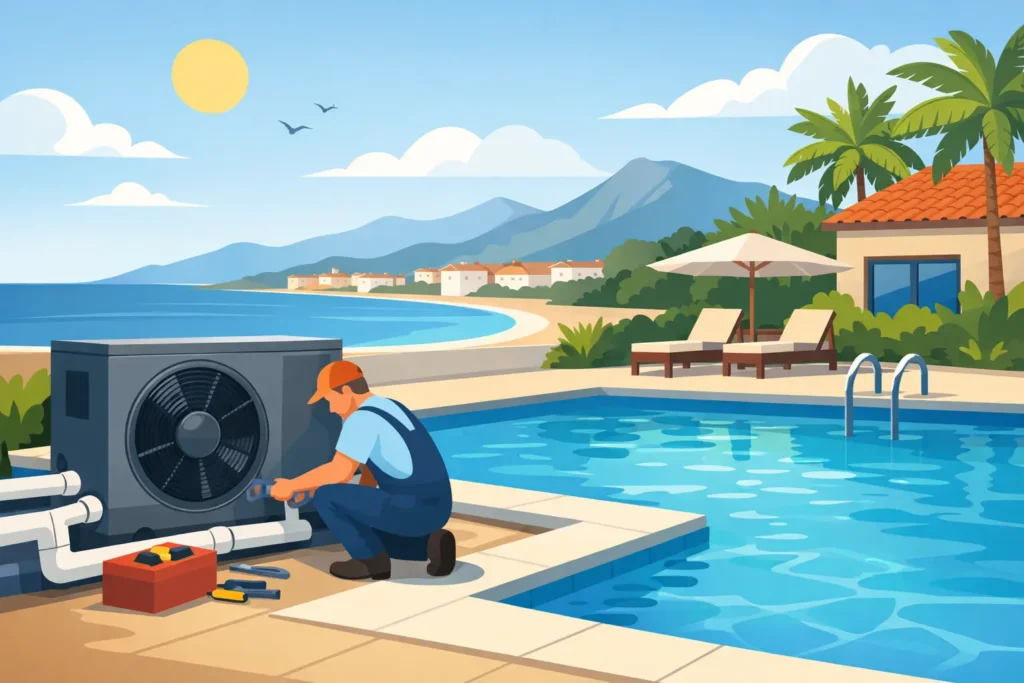
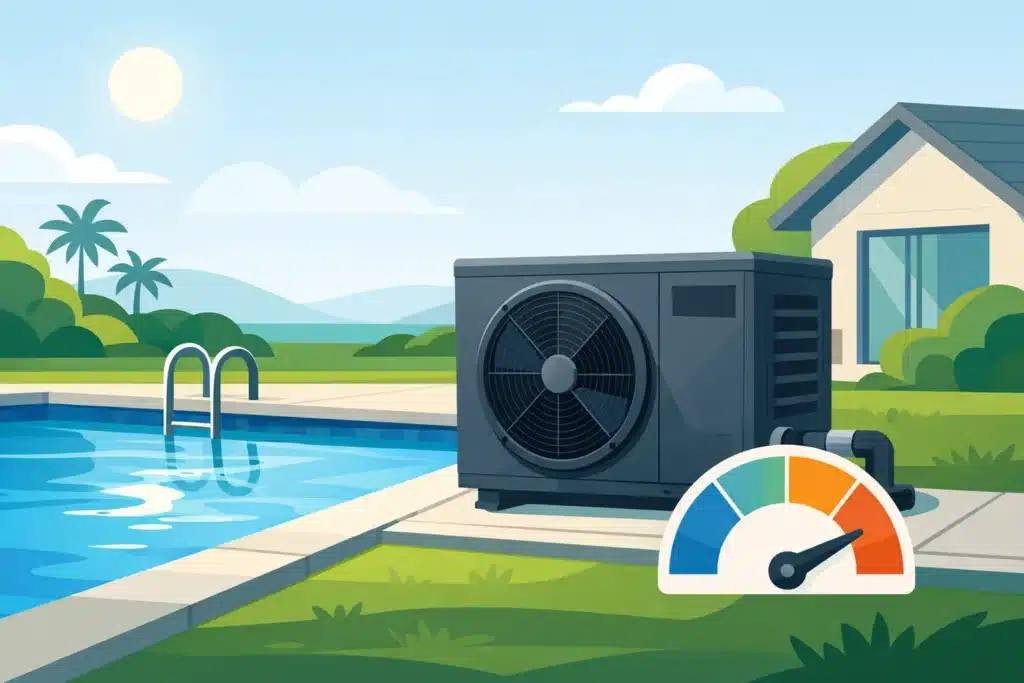
A heat pump should be supplied and protected according to its specification, with suitable electrical capacity and professional installation. The same applies to pool lighting and salt systems. A tidy, clearly labelled installation makes future diagnosis quicker and safer.
Why repeated tripping should not be ignored
A pool pump is central to water quality. Without circulation, chemicals are not distributed properly, filtration stops and warm water can quickly lose its clarity. For a holiday home or rental property, that can mean an avoidable disruption just before the pool is needed.
The bigger concern is electrical safety. Pool environments combine water, damp conditions, metal equipment and outdoor electrical supplies. Circuit protection is designed to interrupt power before a fault becomes dangerous. Treating a recurring trip as an inconvenience rather than a warning can damage a motor beyond repair and increase the cost of putting the installation right.
There is also an efficiency consideration. A pump with failing bearings, restricted flow or poor electrical connections can consume more electricity while delivering less effective filtration. Addressing the fault early protects both the equipment and ongoing running costs.
When to call a pool professional
Arrange a professional inspection promptly if the breaker or RCD trips more than once, the pump smells hot or burnt, you can see water near electrical components, or the motor makes a loud hum without starting. Switch the system off and keep it off if there is visible cable damage, flooding, a cracked electrical enclosure or any tingling sensation from metalwork. In those cases, the installation needs urgent electrical attention.
A competent pool service visit should look beyond the reset button. The technician should assess flow, filter condition, pump noise, leaks, electrical connections and the wider equipment layout. Where testing confirms a motor fault, you can then make an informed decision between repairing the existing unit and fitting a replacement matched to the pool’s pipework, filter, water features and required flow rate.
For homes with heat pumps or other high-demand equipment, it is also worth reviewing the overall electrical arrangement. A well-planned system reduces nuisance tripping, supports reliable heating and makes maintenance simpler over the long term.
Preventing future pump faults
Regular care is the most practical defence. Empty skimmer and pump baskets, maintain the filter as recommended, keep the equipment area dry and ventilated, and ask for leaks and electrical connections to be checked during routine servicing. If your property is left empty for part of the year, a planned maintenance visit is particularly valuable because small leaks and unusual pump noises are easier to resolve before they become a shutdown.
Eco Pool Heaters can assess pump faults, repairs and the condition of the wider pool system, giving you clear advice on the most sensible next step. A pool pump should run quietly in the background, not leave you wondering whether it will trip again when the pool is needed most.