A pool can be spotless on a Monday morning and disappointing by Friday afternoon. High guest turnover, sunscreen, inflatables, warm weather and changing bather loads all place extra pressure on the water and equipment. Holiday rental pool maintenance is therefore not simply a weekly cleaning task. It is a planned routine that protects guest experience, avoids emergency call-outs and helps a valuable property present at its best.
For Costa del Sol villa owners and property managers, reliability matters as much as appearance. Guests expect clear water, comfortable temperatures and working equipment from the moment they arrive. They are unlikely to see the work behind it, but they will notice cloudy water, a noisy pump or a pool that is too cold to use.
Why holiday rental pools need a different approach
A private pool used by one household has a relatively predictable bather load. A holiday rental can be quiet one week, then host a full family group the next. More swimmers introduce more organic matter, sun cream and debris, which can quickly affect water balance and chlorine demand.
The pressure is greatest during peak season, when ambient temperatures are high and guests may use the pool all day. Algae can establish quickly if circulation or sanitiser levels are allowed to slip. A small equipment problem can also become a booking issue when there is no time to wait for a routine visit.
This is why a dependable service plan should combine scheduled maintenance with a clear route for technical support. The right frequency depends on pool size, landscaping, occupancy levels and whether a cover or heating system is installed. A shaded inland pool behaves differently from an exposed Marbella terrace pool, and a tailored plan is usually more economical than treating every property in the same way.
Holiday rental pool maintenance between every stay
A proper changeover check gives incoming guests confidence and gives owners a chance to spot problems before they are reported. It should be completed after the previous guests have left and before the next arrival, particularly in busy periods.
Start with what guests see. The water should be clear, the surface skimmed, the steps clean and the surrounding area free from leaves, broken toys and loose furniture. Check that skimmer baskets are emptied, the water level is correct and the pool lights, shower and access points are in good order.
Water testing is equally important. Chlorine or other sanitiser levels, pH and alkalinity should be checked and adjusted as required. Reading the water matters more than adding chemicals to a fixed schedule. A pool with a heavier-than-usual bather load may need more attention, while over-treatment can leave guests with irritated eyes or a strong chemical smell.
Finally, look and listen to the equipment. A circulation pump that sounds different, reduced flow from return inlets, air in the pump basket or a pressure gauge reading outside its normal range can all indicate an issue worth addressing early. Small faults are generally easier and less costly to repair before a guest arrival turns them into an urgent problem.
The weekly routine that prevents complaints
Between changeovers, weekly visits keep the system stable. The core work is practical: skim and vacuum the pool, brush walls and waterline tiles, empty baskets, test and balance the water, and inspect the filtration equipment.
Filter care deserves particular attention. A dirty or blocked filter reduces circulation, makes water treatment less effective and puts unnecessary strain on the pump. The required cleaning method depends on whether the pool has a sand, glass-media or cartridge filter. Backwashing too often wastes water and can reduce filtration performance, but leaving a filter dirty for too long creates its own problems. The pressure reading, water clarity and the condition of the filter should guide the decision.
It is also sensible to check the timer settings as daylight hours and occupancy change. A pool that runs too little may struggle to stay clear. One that runs far longer than necessary can increase electricity costs without improving water quality. Correct circulation times should be based on the pool, the season and actual use, not guesswork.
Record readings and work completed
A simple service record is valuable for owners, managers and technicians. It creates a clear history of chemical readings, adjustments, filter cleaning, repairs and any advice given to guests or cleaners. If a water-quality or equipment issue develops, those records make it far easier to identify the cause.
For managed properties, this also provides reassurance that the pool is receiving regular professional attention. It supports transparent communication when an owner wants to understand what has been done and why.
Keep equipment working when bookings are at their busiest
The pool plant room is easy to overlook because guests rarely see it. Yet it contains the equipment that determines whether the pool remains inviting. Pumps, filters, valves, chlorination systems, pipework and heaters should be checked routinely for leaks, vibration, corrosion and poor flow.
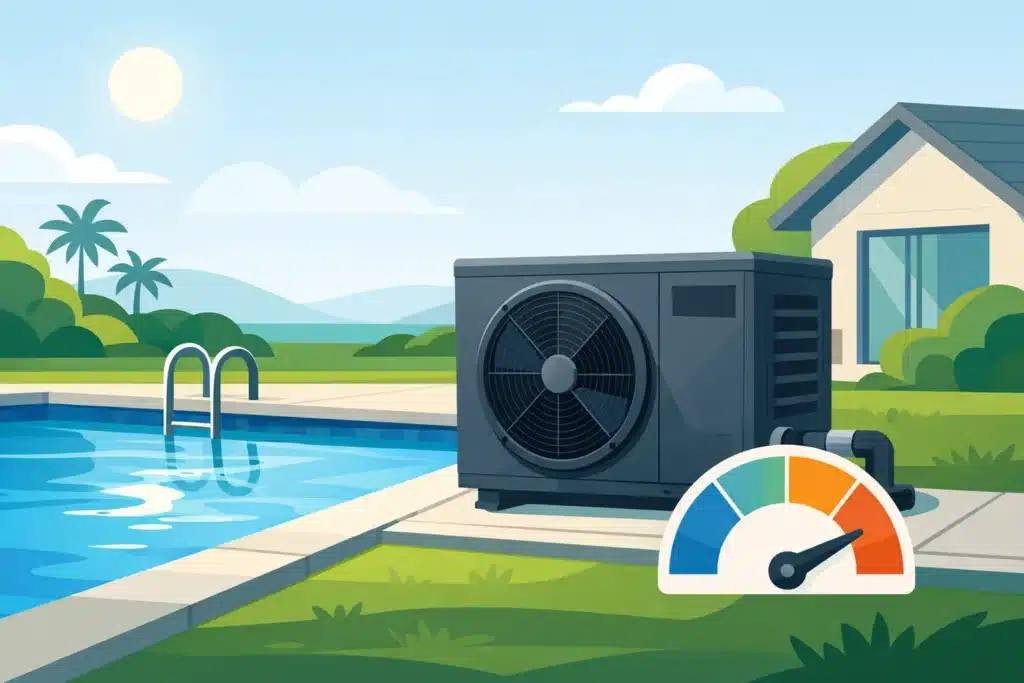
Heat pumps need clean airflow around the unit and regular checks of controls and pipe connections. A heat pump should not be treated as a switch-on-and-forget appliance. If performance drops, it may be caused by circulation, settings, water flow or the wider pool system rather than the unit itself. Prompt diagnosis avoids wasted energy and helps protect the equipment.
A solar pool cover is particularly useful for holiday rentals where owners want warmer water without excessive running costs. Used consistently, it reduces overnight heat loss and evaporation, helps retain chemicals and keeps wind-blown debris out of the pool. It does require sensible handling, however. Guests need clear instructions, and the cover should be stored safely when the pool is in use. A damaged or poorly fitted cover will not deliver the expected benefit.
Eco Pool Heaters can assess the complete setup, including pool size, exposure, circulation and guest usage, rather than recommending a heating or cover solution in isolation. That practical approach is especially valuable where an older installation has developed recurring faults.
Give guests clear, simple pool guidance
Most guests do not need a technical explanation of the filtration system, but a short pool information sheet can prevent avoidable issues. Explain whether the pool is heated, how the cover should be used, where to find basic safety equipment and who to contact if they notice a fault.
Ask guests not to alter timers, valves or heating controls. This is not about restricting their stay. It prevents a well-meaning adjustment from stopping circulation, raising energy use or leaving the water uncomfortably cold for the next guests.
Pool safety should be addressed clearly as well. The property manager should ensure access arrangements, gates, drains, steps, lighting and surrounding surfaces are checked regularly. For family-friendly rentals, make supervision expectations plain. No maintenance routine can replace responsible adult supervision around water.
Plan for the quieter months too
A pool does not stop needing care when bookings slow down. Reduced use can mean debris sits longer, water chemistry drifts and minor leaks go unnoticed. Winter maintenance is the time to inspect equipment carefully, deal with ageing seals or valves, service pumps, and consider upgrades before the next season.
This is also the best period to review running costs. If a heater is struggling, the filtration system is outdated or a cover is no longer doing its job, there is time to make a considered decision rather than accepting an emergency replacement in July. Preventive work may feel less urgent, but it is often what protects summer income and guest satisfaction.
A well-maintained rental pool gives guests one less reason to contact the property manager and one more reason to leave a positive review. Arrange care around the way your property is actually used, keep a clear record of its condition, and deal with early warning signs before the next set of guests arrive.